Archives
- 2026-07
- 2026-06
- 2026-05
- 2026-04
- 2026-03
- 2026-02
- 2026-01
- 2025-12
- 2025-11
- 2025-10
- 2025-09
- 2025-03
- 2025-02
- 2025-01
- 2024-12
- 2024-11
- 2024-10
- 2024-09
- 2024-08
- 2024-07
- 2024-06
- 2024-05
- 2024-04
- 2024-03
- 2024-02
- 2024-01
- 2023-12
- 2023-11
- 2023-10
- 2023-09
- 2023-08
- 2023-07
- 2023-06
- 2023-05
- 2023-04
- 2023-03
- 2023-02
- 2023-01
- 2022-12
- 2022-11
- 2022-10
- 2022-09
- 2022-08
- 2022-07
- 2022-06
- 2022-05
- 2022-04
- 2022-03
- 2022-02
- 2022-01
- 2021-12
- 2021-11
- 2021-10
- 2021-09
- 2021-08
- 2021-07
- 2021-06
- 2021-05
- 2021-04
- 2021-03
- 2021-02
- 2021-01
- 2020-12
- 2020-11
- 2020-10
- 2020-09
- 2020-08
- 2020-07
- 2020-06
- 2020-05
- 2020-04
- 2020-03
- 2020-02
- 2020-01
- 2019-12
- 2019-11
- 2019-10
- 2019-09
- 2019-08
- 2019-07
- 2019-06
- 2019-05
- 2019-04
- 2018-11
- 2018-10
- 2018-07
-
br Experimental procedures br Results br Discussion This stu
2022-10-11
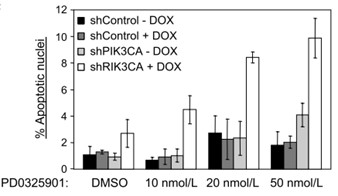
Experimental procedures Results Discussion This study demonstrates that the genetic disruption or pharmacological inhibition of FAAH completely prevented all manifestations of pain symptoms in an NTG-induced migraine animal model. Thus, FAAH disruption or blockade abolished the activation o
-
Our extensive preliminary data suggest that
2022-10-10
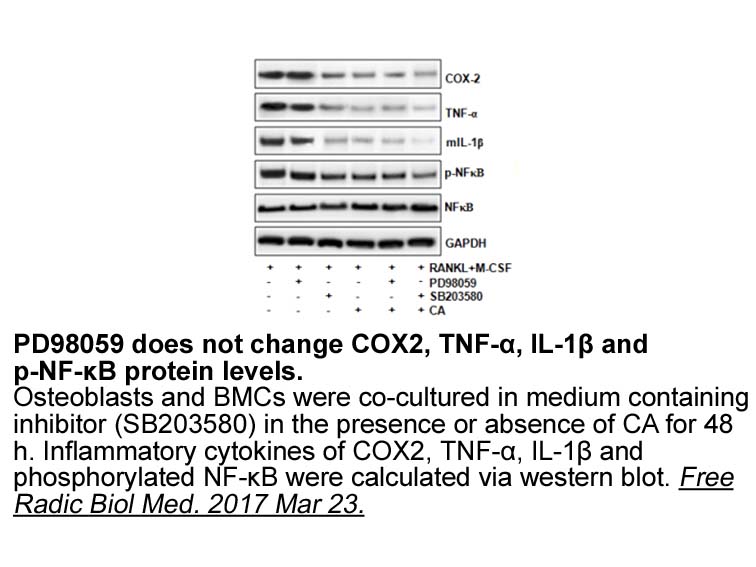
Our extensive preliminary data suggest that the loss of p300 (and resulting H3K27ac) is related to inorganic arsenic related diseases. Therefore, it may open a new avenue for alleviating the consequence of H3K27ac, for example, via boosting CBP enzymatic activity for at least partially compensating
-
br Conclusion Our data allow pharmacological discrimination
2022-10-10
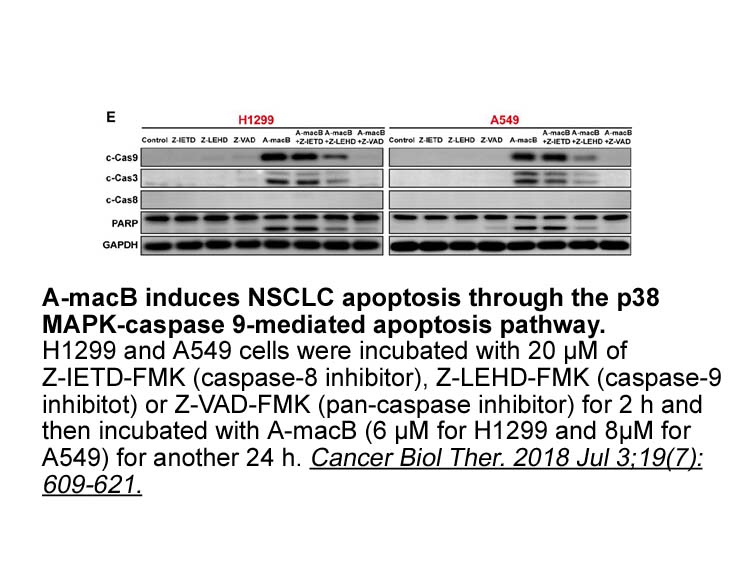
Conclusion Our data allow pharmacological discrimination of diverse of H3 Anti-cancer Compound Library receptor antagonists that can be linked to their differential efficacy in preclinical and clinical disease settings (Fig. 6). Moreover, we identify the sigma-1 receptor as a common “off target”
-
All the compounds and were assayed for
2022-10-10
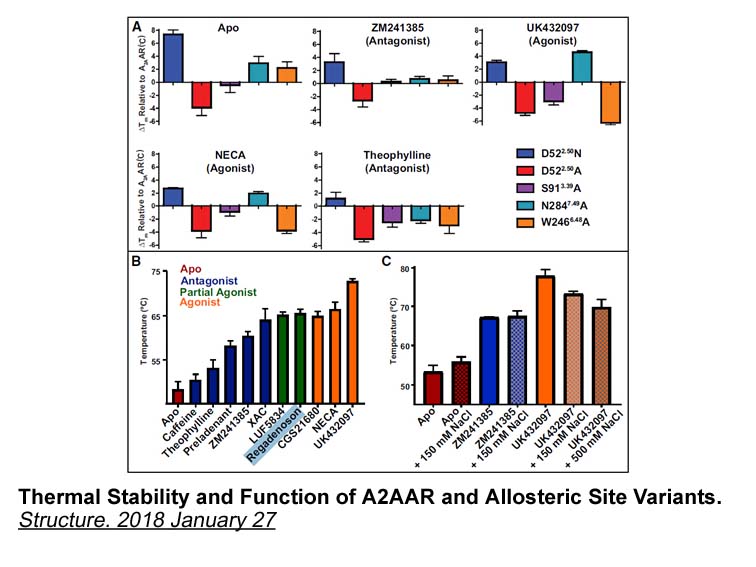
All the compounds –, , , –, , – and – were assayed for their potential cytotoxicity at a single dose of 10 µM on Huh7 cells. Interestingly, all compounds proved to be non toxic, with the exception of and which exhibited high cellular toxicity and therefore were excluded from further experiments (a
-
Although resembling a differential symbiotic
2022-10-10
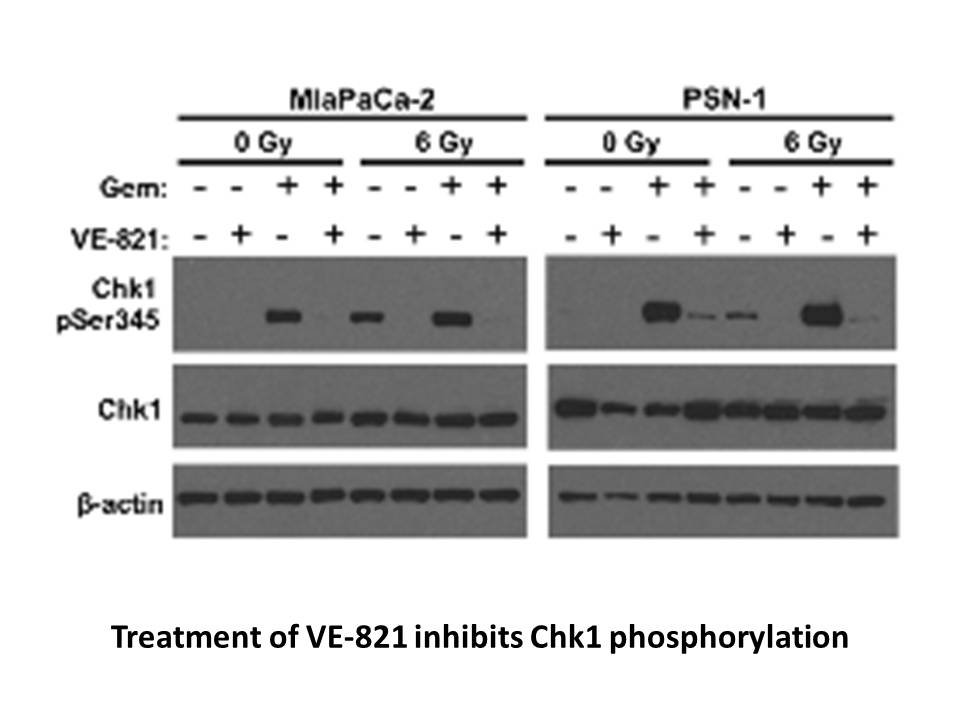
Although resembling a differential symbiotic relationship, interplay between prostate tumour CAFs promotes PKM2/HIF-1-driven transcriptional regulation in prostate cancer cells that exploit lactate produced by CAFs and undergo epithelial-to-mesenchymal transition (EMT) [21]. Although recent observat
-
There was a statistical significant correlation between CD
2022-10-10
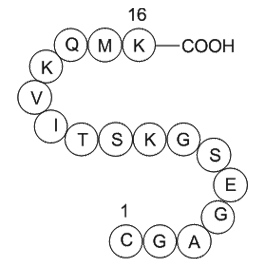
There was a statistical significant correlation between CD39 expression on CD4+ T cells and CD38 and ZAP-70 (Table 3). Del 6q was detected in 19 patients (63.3%) with a range of 2–75% and a mean of 32.97 ± 14.85. As regards to the staging system, del 6q was significantly higher in high risk group o
-
After initial validation of the ability
2022-10-10

After initial validation of the ability of Ad5-Cre virus to express Cre recombinase protein in glial cells in vitro and in vivo, we employed this virus to induce site-specific deletion of our target GlyT1 in the thalamus, through injection of the cKO GlyT1 mice. This transgenic line was constructed
-
The functionally crucial arginine within M is not encoded
2022-10-09
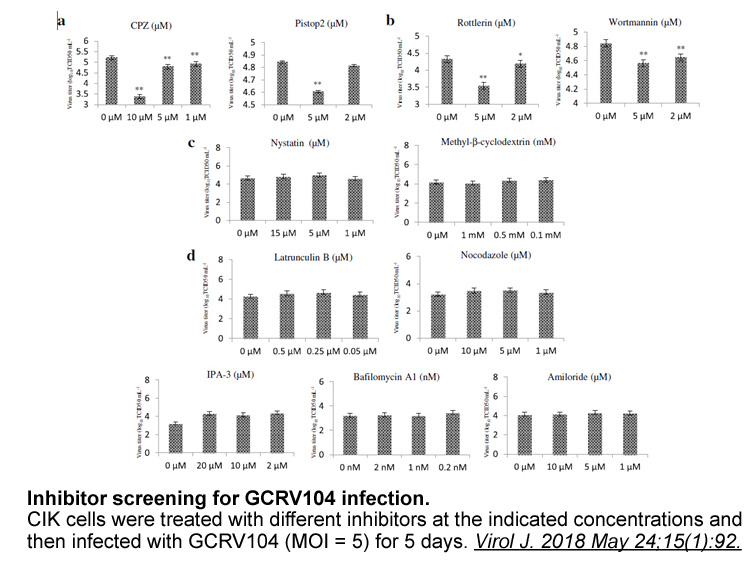
The functionally crucial arginine within M2 is not encoded by the gluR2 gene, but rather arises within the pre-mRNA by editing of a codon for the neutral glutamine residue25, 26. RNA editing at the Q/R site is specific to GluR2 and is extremely efficient. In neonatal and adult rat brain, almost 100%
-
br NLS and NES Mapping
2022-10-09
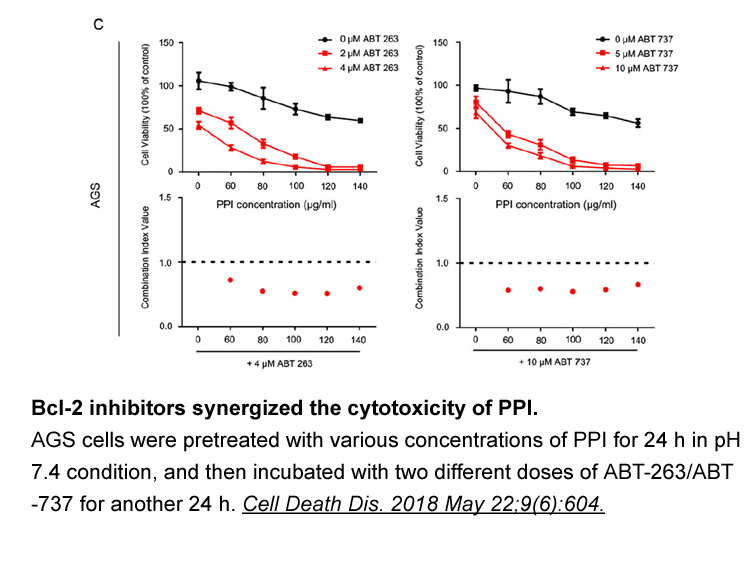
NLS and NES Mapping Sequence Comparison of Gli NLSs—NLSs in ZF Domains Alignment of the Gli NLSs of representative metazoan animals suggests that the amino ACSF residues in the ZF domains are strongly conserved (Figure 4.2, Figure 4.3B). However, the length of the intervening amino acid sequen
-
The mechanisms underlying the inhibitory effects of n FAs on
2022-10-08
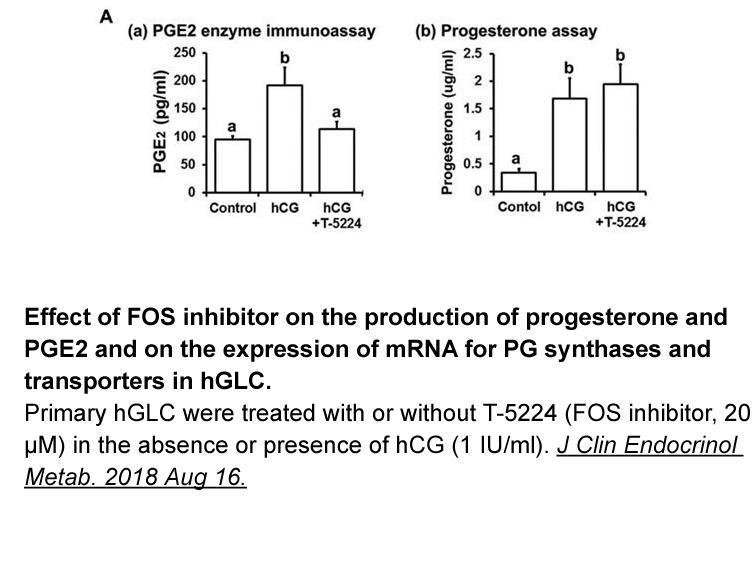
The mechanisms underlying the inhibitory effects of n-3 FAs on neoplasia have not been completely elucidated. Until recently, the emphasis has been on the ability of n-3 FAs to compete for the pathways that lead to the synthesis of pro-inflammatory eicosanoids from arachidonic acid, an n-6 FA, there
-
The inhibitory activities of the compounds with
2022-10-08
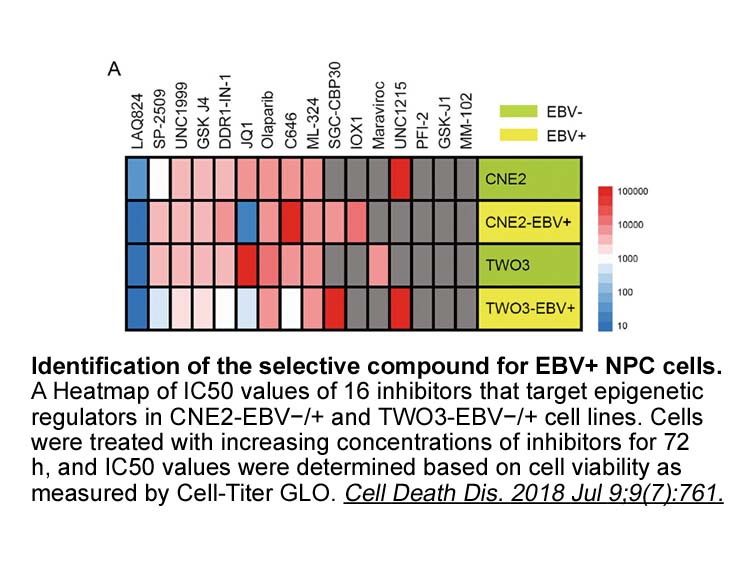
The inhibitory activities of the compounds with the modification of the amino group against human liver FBPase are summarized in . Replacement of the amino group of with hydrophobic substituent such as a methyl group () led to a substantial loss of activity (IC=995nM). Similarly, replacement with h
-
In this study according to the critical pharmacophore T Y
2022-10-08
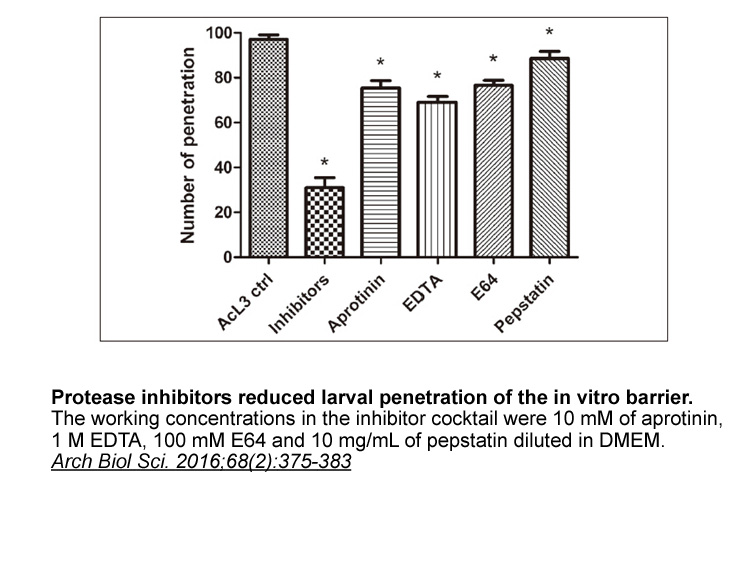
In this study, according to the critical pharmacophore T31, Y113 and R140 of FBPase, using the strategy of pharmacophore-based virtual screening, a series of novel scaffold inhibitor targeted the AMP binding site of FBPase were screened, their inhibitory activities against FBPase were further tested
-
The following are the supplementary data related
2022-10-08
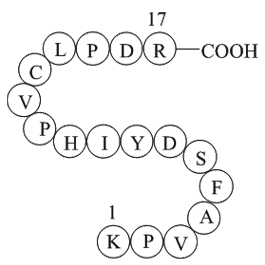
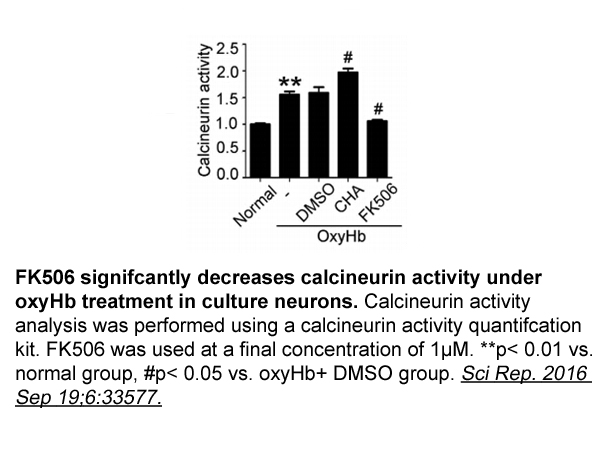
The following are the supplementary data related to this article. Transparency document Introduction Hypoxia is a pathological process that causes abnormal changes in metabolism, function and morphological structure of tissue because of insufficient oxygen supply. It's reported that hypoxia w
-
Human epidermal growth factor receptor HER
2022-10-05
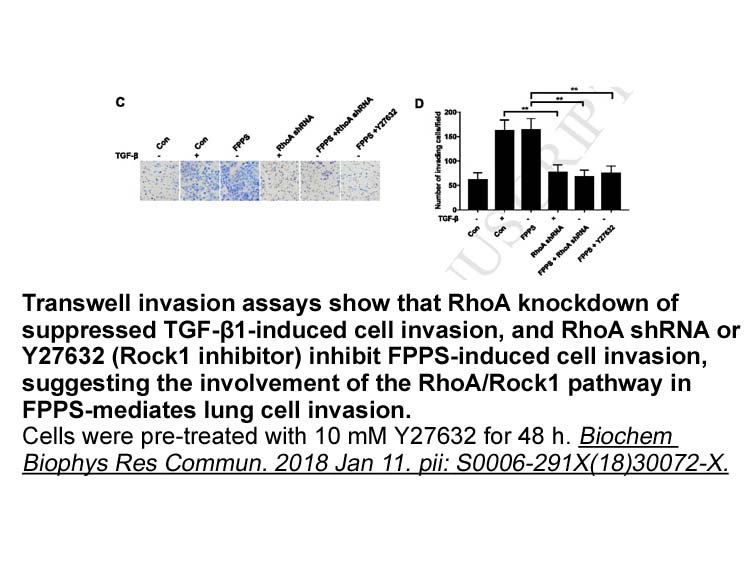
Human epidermal growth factor receptor 2 (HER2/neu, also known as CerbB-2, or ERBB-2) is a proto-oncogene located on chromosome 17q21, which encodes a transmembrane protein with tyrosine kinase activity, and belongs to the HER receptor family (EGFR, named also HER1, HER3, and HER4) [6]. HER2 is invo
-
Several compounds have been described in
2022-10-04
Several compounds have been described in the literature as inhibitors of the sGC. Among them, methylene blue and LY83583 () are not direct sGC inhibitors, but rather block cGMP formation by generating superoxide anion radicals that deactivate NO. Despite their extensive use in plethora of research s
16449 records 390/1097 page Previous Next First page 上5页 386387388389390 下5页 Last page