Archives
- 2026-07
- 2026-06
- 2026-05
- 2026-04
- 2026-03
- 2026-02
- 2026-01
- 2025-12
- 2025-11
- 2025-10
- 2025-09
- 2025-03
- 2025-02
- 2025-01
- 2024-12
- 2024-11
- 2024-10
- 2024-09
- 2024-08
- 2024-07
- 2024-06
- 2024-05
- 2024-04
- 2024-03
- 2024-02
- 2024-01
- 2023-12
- 2023-11
- 2023-10
- 2023-09
- 2023-08
- 2023-07
- 2023-06
- 2023-05
- 2023-04
- 2023-03
- 2023-02
- 2023-01
- 2022-12
- 2022-11
- 2022-10
- 2022-09
- 2022-08
- 2022-07
- 2022-06
- 2022-05
- 2022-04
- 2022-03
- 2022-02
- 2022-01
- 2021-12
- 2021-11
- 2021-10
- 2021-09
- 2021-08
- 2021-07
- 2021-06
- 2021-05
- 2021-04
- 2021-03
- 2021-02
- 2021-01
- 2020-12
- 2020-11
- 2020-10
- 2020-09
- 2020-08
- 2020-07
- 2020-06
- 2020-05
- 2020-04
- 2020-03
- 2020-02
- 2020-01
- 2019-12
- 2019-11
- 2019-10
- 2019-09
- 2019-08
- 2019-07
- 2019-06
- 2019-05
- 2019-04
- 2018-11
- 2018-10
- 2018-07
-
Most studies to date have focused on the physiological
2022-04-18

Most studies to date have focused on the physiological functions of FPS in plants. As mentioned above, numerous factors affect FPS expression and FPS function. However, FPS enzymatic assays require radiolabeled substrate and thus detailed enzymatic characterizations of FPS, including substrate speci
-
Compounds that induce exocytosis in cultured cells
2022-04-16
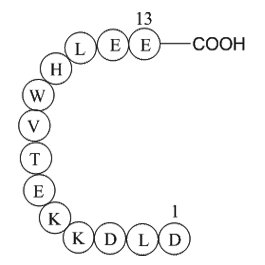
Compounds that induce exocytosis in cultured SCH772984 HCl synthesis include Ca2+-dependent [14] or Ca2+-independent [15] mechanisms. Ca2+-dependent exocytosis releases soluble enzyme content from lysosomes [16] operating by increasing the cytosolic concentration of Ca2+[13] by recruiting extracell
-
In the CNS histamine is
2022-04-16
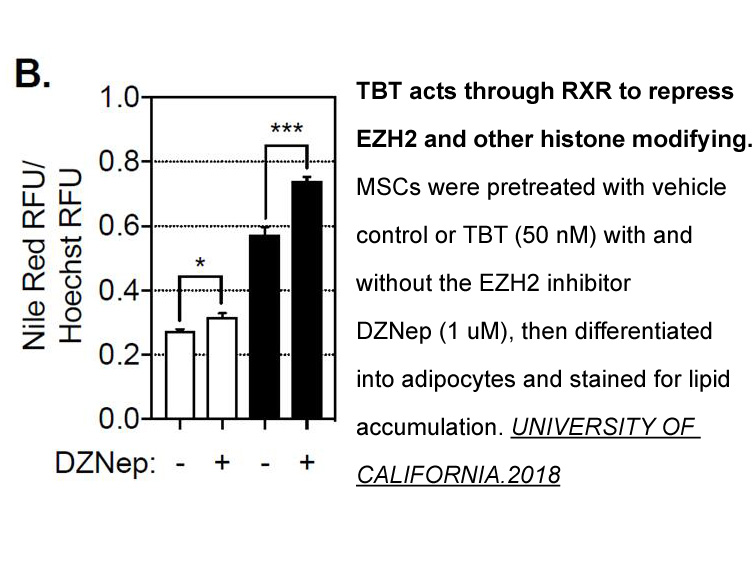
In the CNS, Cy3-dCTP mg is known to regulate sleep and wakefulness, learning and memory, feeding, and energy. Here, we address its actions in relation to CNS disorders, and emphasize potential clinical applications of histamine receptor ligands (Table 1). In addition, as the effect of histamine on n
-
Taken together the four HRs couple with several different
2022-04-16

Taken together, the four HRs couple with several different signaling pathways modulating various G-proteins (Fig. 1). Histamine H1R The H1R, including many other biogenic amine receptors, is one of the GPCR family members (see for a complete list e.g. http://www.gpcr.org/7tm/ or http://tools.gpc
-
br Acknowledgements This research was supported by the Natur
2022-04-16
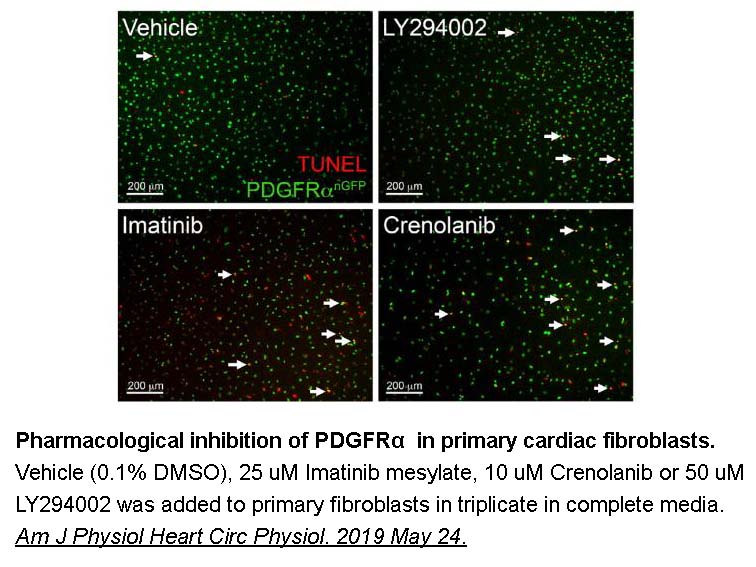
Acknowledgements This research was supported by the Natural Sciences and Engineering Council of Canada (NSERC) Discovery Grant awarded to RGM. LMW was supported in part by fellowships from the University of Regina and the Government of Saskatchewan Fish and Wildlife Development Fund (FWDF). We wo
-
Aberrant expression of HKII may be
2022-04-16
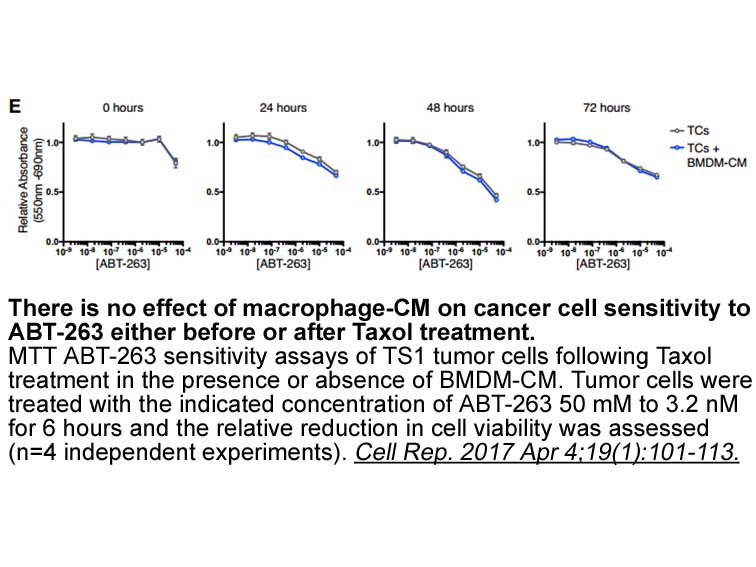
Aberrant expression of HKII may be a required feature for cancer development and progression. Overexpression of HKII has been reported in tumor tissues of cancer patients with liver [9], ovary [8], [24] and larynx [25]. The clinical significance of HKII in cancer was noted as overexpression of HKII
-
Considering that TGF plays a pivotal role
2022-04-16
Considering that TGF-β1 plays a pivotal role in inflammation, renal fibrosis, cell growth, differentiation, and apoptosis, it has been viewed as a vital mediator in kidney disease [49,50]. Studies have demonstrated that TGF-β1 is upregulated in both human and experimental kidney diseases [51,52]. TG
-
br Competing interests br Funding br Ethical approval
2022-04-16
Competing interests Funding Ethical approval Acknowledgement Introduction Hepatitis C is a disease that infects the liver through transmission of the hepatitis C virus (HCV). Because the symptoms of this infection are not pronounced, the infected individuals may not even be aware of t
-
In contrast the sGC activator
2022-04-16
In contrast, the sGC activator BAY 58-2667 relaxed the CC in a concentration-dependent manner (Figure 4B), a response that was significantly increased in the CC of sGCβ1ki/ki mice compared with WT mice. The finding that BAY 58-2667 also possessed a corporal relaxing effect in WT mice is suggestive b
-
Interestingly the rabbit cornea exhibited a more
2022-04-16
Interestingly, the rabbit cornea exhibited a more than two-fold higher level of total GST activity compared with that of the porcine cornea, whereas their levels of GSTO1‐1 and GSTP1‐1 activity were similar (Fig. 4). Because members of the GST Alpha, Mu, Pi and Omega neuronal metabolism primarily u
-
Among the GSK inhibitors available in market lithium is prob
2022-04-16
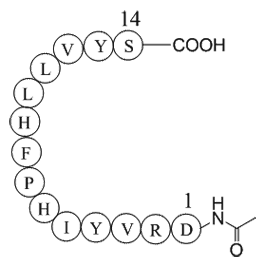
Among the GSK-3 inhibitors available in market, lithium is probably the only example and the oldest one. Some molecules, both natural and synthetic, such as maleimide derivatives, staurosporine (from the bacterium Streptomyces storosporeus), indole derivatives such as indirubin (used since long in t
-
br Acknowledgments br Introduction Myelin one of the fundame
2022-04-16
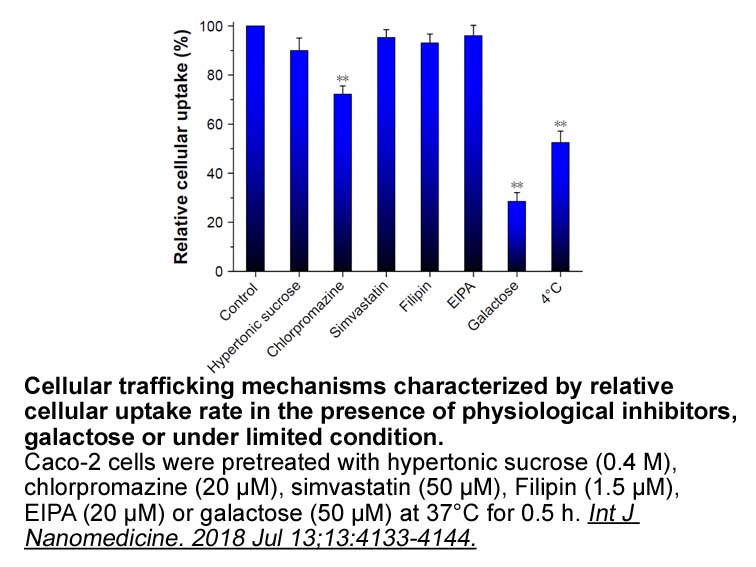
Acknowledgments Introduction Myelin, one of the fundamental adaptations of vertebrates, is a multilamellar structure deriving from the spiral wrapping around the rat 4 australia of the plasma membrane of myelin forming glia, oligodendrocytes in the central nervous system and Schwann cells (SC)
-
The GPR gene was included in
2022-04-16
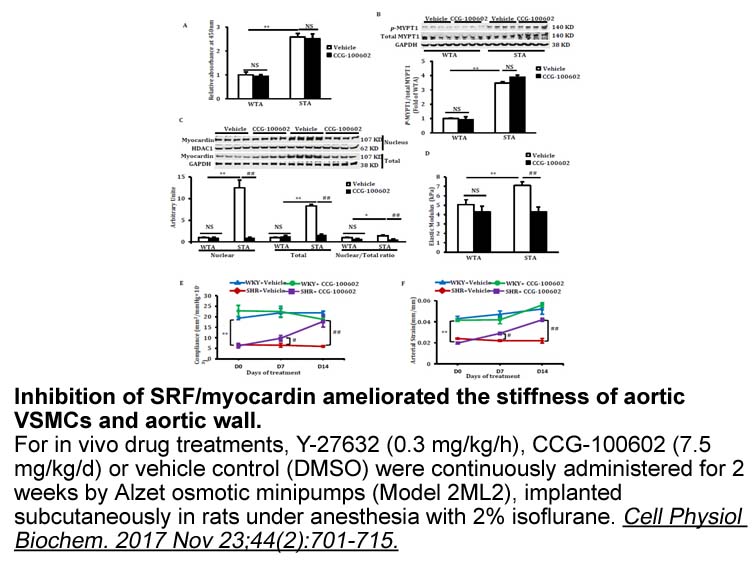
The GPR35 gene was included in our survey because of its location immediately 3′ to CAPN10 and because it showed evidence of association with type 2 diabetes. Also, its expression in tissues including pancreatic islets and skeletal muscle is consistent with a possible role in type 2 diabetes. Our re
-
Compound was synthesized in a racemic fashion
2022-04-16
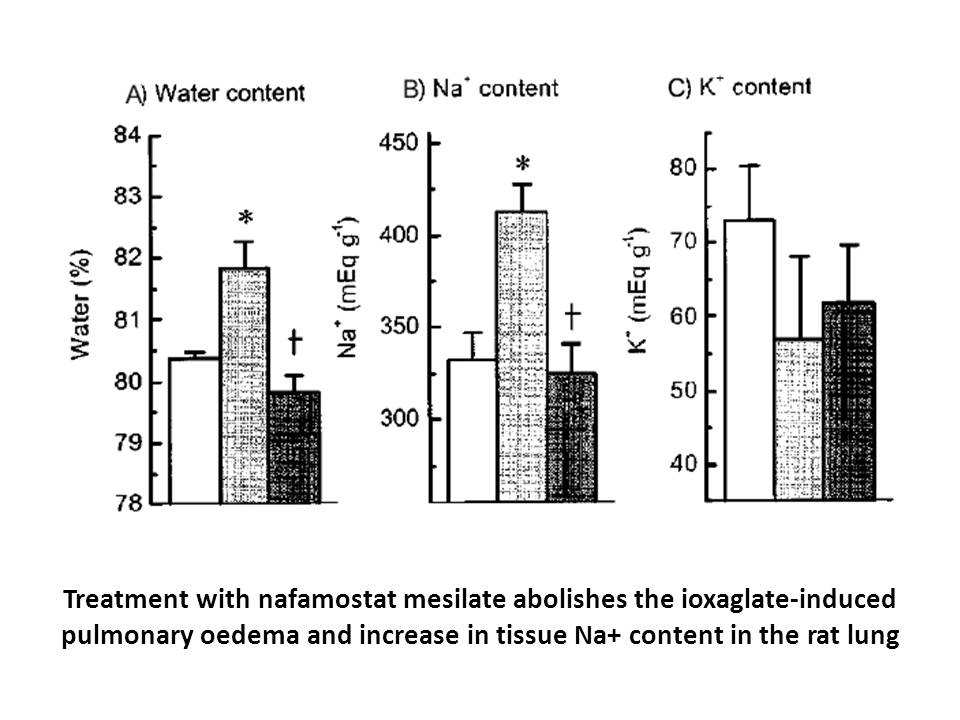
Compound was synthesized in a racemic fashion with this study and plans for an enantioselective synthesis could be developed based on the activity of racemic . Synthesis of compound followed a slightly different synthetic route due to the ineffectuality of the S2 reaction on the secondary position
-
br Next we explored the SAR around the aryl
2022-04-16
Next, we explored the SAR around the aryl ring attached to the pyrrole nitrogen in the presence of the 3-CF and the 2,6-difluorophenylpropionic LIMKi 3 australia sidechain (). The EC value of the unsubstituted phenyl was about 100 nM. The 4-methyl was 2-fold more potent, however ethyl and brom
16447 records 472/1097 page Previous Next First page 上5页 471472473474475 下5页 Last page